






Working on the company.
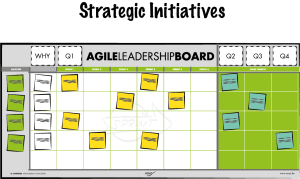 Organizational changes, such as the introduction of product lines or the bundling of resources in competence centers. Or process optimization, the introduction of new IT systems, the introduction of methods to improve target agreements, or agile transformation are all aimed at improving the framework conditions in which people work. Projects like these can be organized in the form of so-called strategic initiatives.
Less is more.
The problem with most leadership teams is that they have more ideas for organizational change than they have the capacity to implement. The result is often frustrating and, for long-time employees, often resigning. It is often said: “The boss was at a seminar again”, or “now the next sow is being driven through the village”. Often, such plans are set up at the turn of the year and good will is all that remains.
This behavior is all too human. Thus, after the good intentions after New Year’s, swimming pools have the highest attendance figures in January and fitness clubs have the most subscriber contracts in January.
Strategic initiatives as AGILE projects.
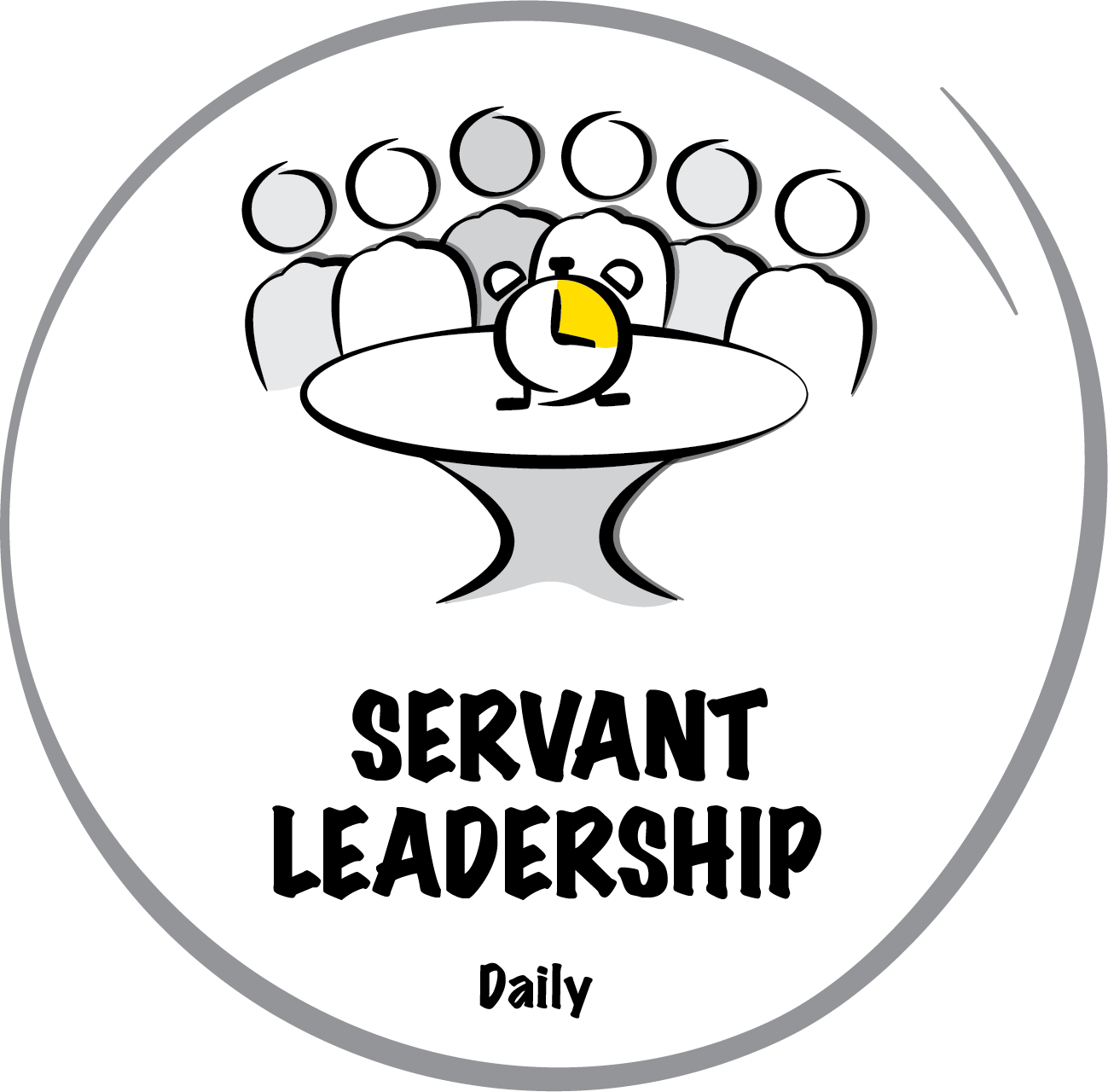
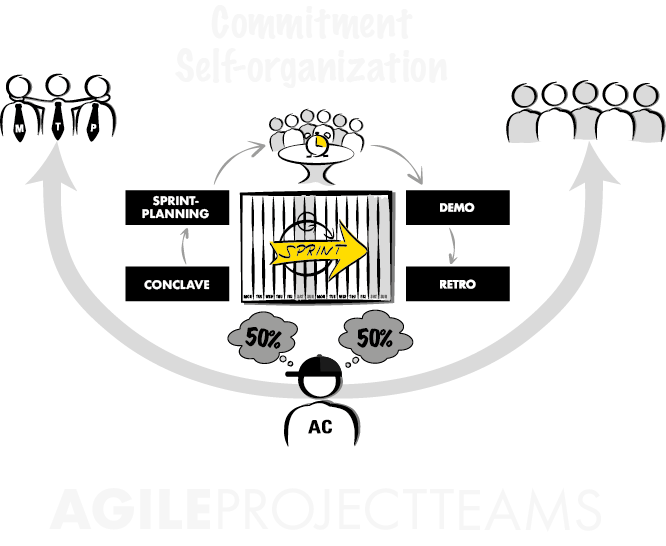
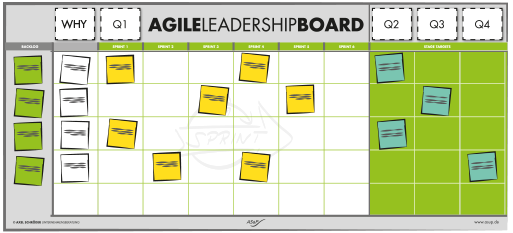
It is different when these strategic initiatives are treated like Agile projects. The same principle that applies to work-level projects can also be used to run strategic initiatives. The difference is that the team members are made up of executives and the product owner is effectively the head honcho. You also work in 2 week sprints with clear goals, freedom and feedback.
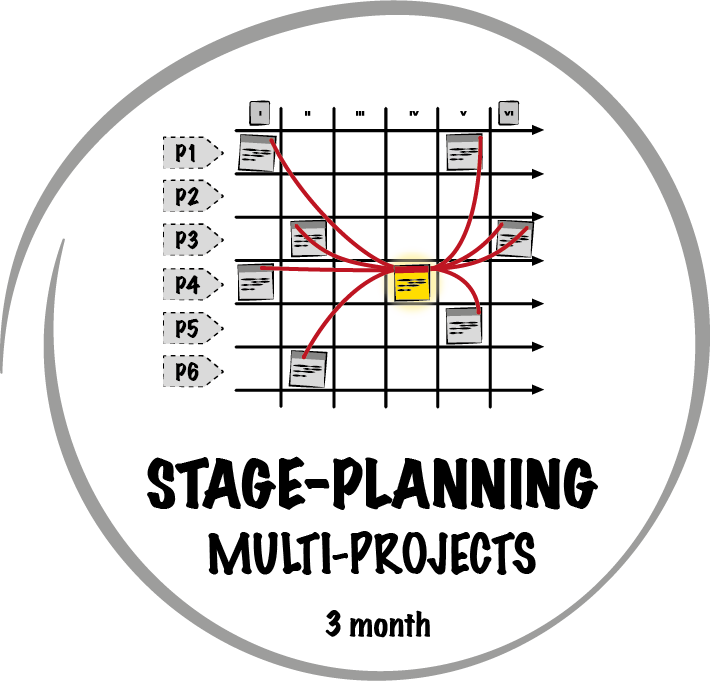
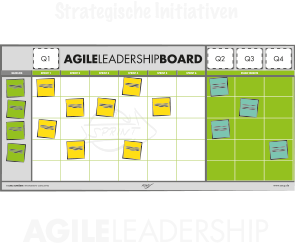
For an overview of all strategic initiatives, they have an AGILE-Leadership-Board. This transparency shows at a glance which and how many strategic initiatives are currently running and which of them are generating progress.
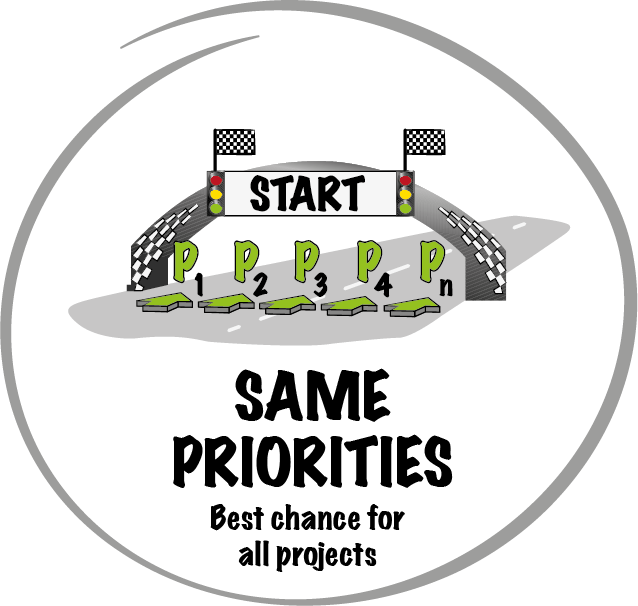
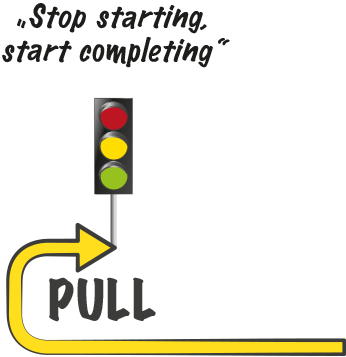
The art of strategy is doing without. Less is more. It is better to have few parallel projects with higher intensity and earlier successes and higher impact on results.
Leading by example.
Agile leadership teams experience much more directly and intensively what it means to advance topics with more commitment and better self-organization. AGILE Leadership Teams show their employees that they not only delegate AGILE, but also set an example themselves. You can hear in your words that you know what you are talking about. You can better assess what challenges employees at the team level are going through in the change to the agile way of working. When the teams in the projects experience that their managers are also actively involved in this change themselves, the respect and commitment grows.





 DOWNLOADS